
Optimal Timing for Landscaping Projects
Landscaping projects can significantly enhance the aesthetic and functionality of outdoor spaces. Timing plays a crucial role in ensuring successful results, plant health, and longevity of landscape features. Properly scheduled landscaping can lead to better growth, reduced maintenance, and more vibrant outdoor environments.
Spring is ideal for planting new features as soil warms and plants establish roots before summer.
Summer is suitable for ongoing maintenance and installing drought-tolerant plants, though it requires careful planning for heat.
Fall offers cooler temperatures and increased moisture, making it perfect for planting trees and shrubs for the upcoming seasons.
Winter is generally less suitable for planting but can be used for planning and designing projects for the next season.
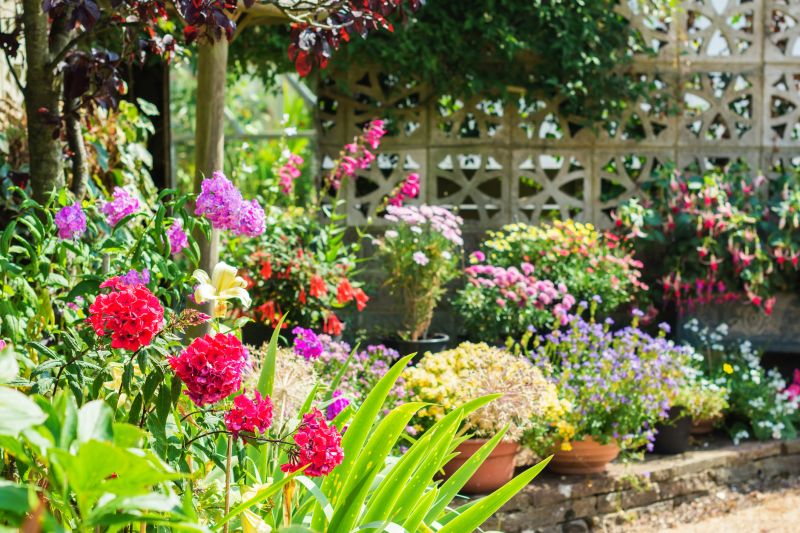
Spring landscapes showcase fresh growth and vibrant blooms.
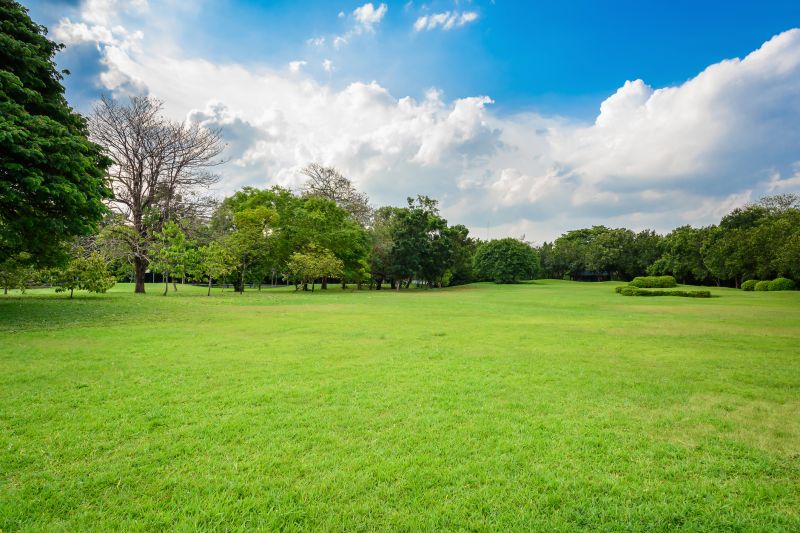
Summer landscapes highlight lush greenery and outdoor living spaces.
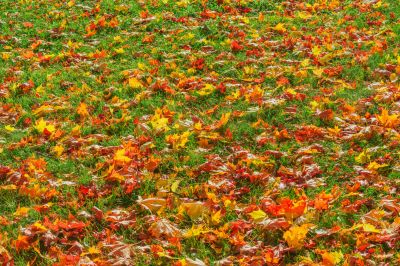
Autumn brings colorful foliage and prepares gardens for winter dormancy.
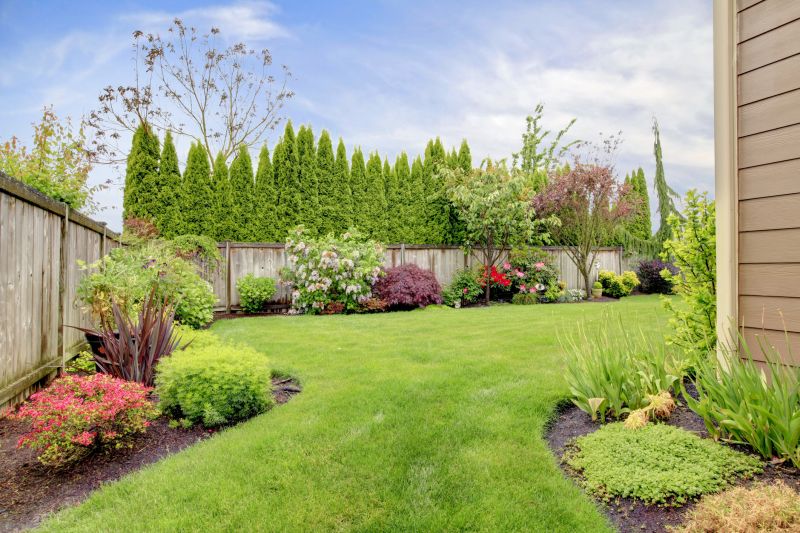
Ways to make Landscapings work in tight or awkward layouts.
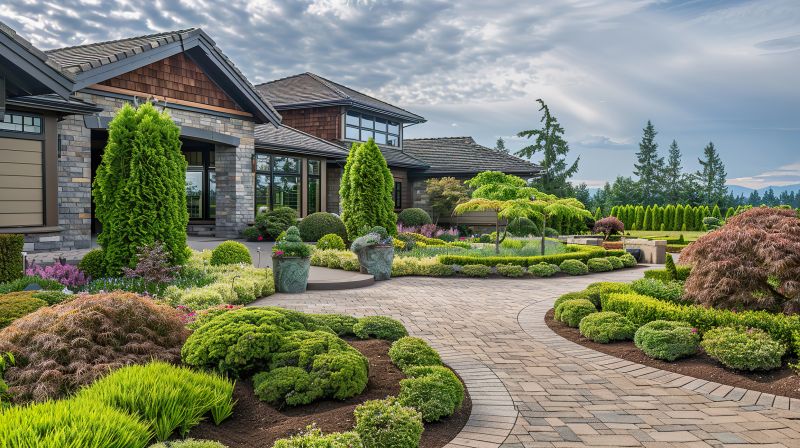
Popular materials for Landscapings and why they hold up over time.
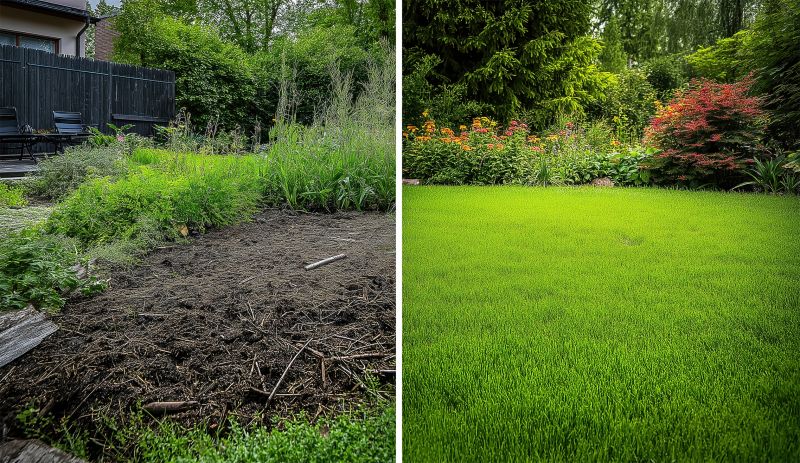
Simple add-ons that improve Landscapings without blowing the budget.
Landscaping involves the planning, design, and installation of outdoor environments to enhance aesthetic appeal and functionality. It encompasses a wide range of features including plantings, pathways, water features, and lighting. Proper timing ensures plants establish well, reduces the risk of damage, and aligns with seasonal weather patterns.
| Season | Best Activities |
|---|---|
| Spring | Planting flowers, shrubs, and trees; soil preparation. |
| Summer | Maintenance, installing drought-tolerant plants, outdoor features. |
| Fall | Planting trees and shrubs, preparing beds for winter. |
| Winter | Design planning, site preparation, ordering materials. |
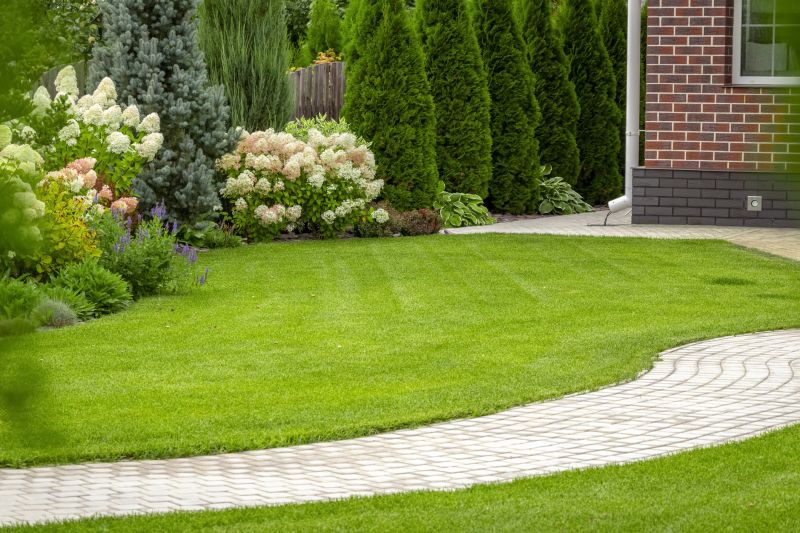
Spring landscapes feature blooming flowers and fresh greenery.
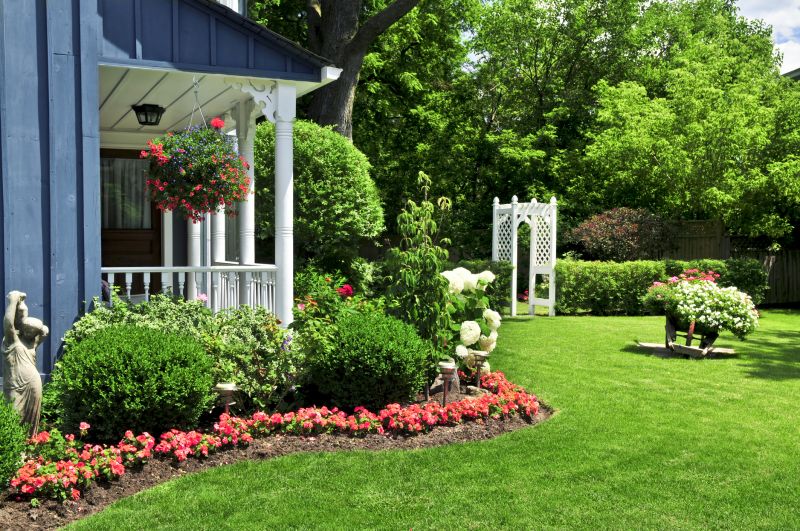
Summer landscapes emphasize lush foliage and outdoor living areas.
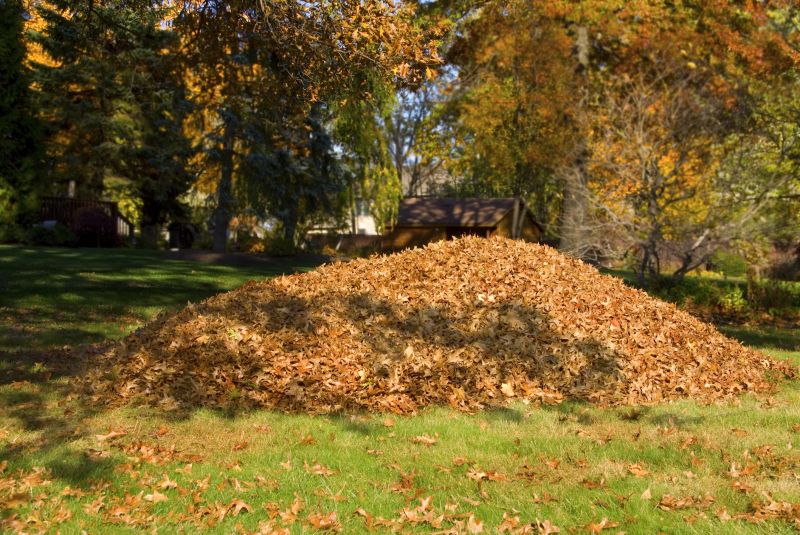
Autumn landscapes showcase colorful foliage and harvest themes.
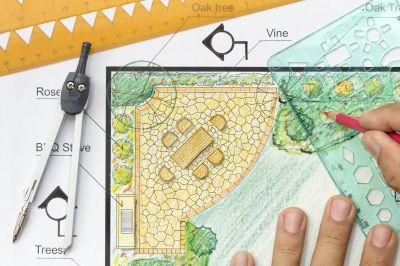
Winter is suited for designing and preparing for upcoming projects.

Little measurements that prevent headaches on Landscapings day.

A 60-second routine that keeps Landscapings looking new.
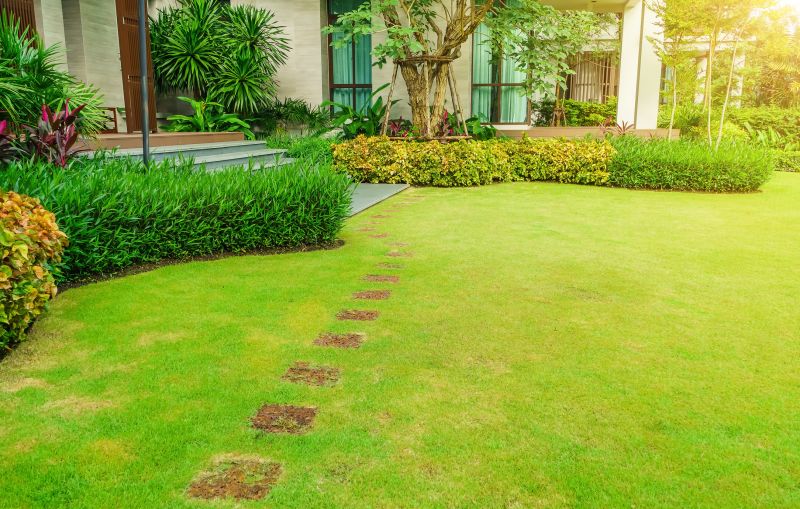
A frequent mistake in Landscapings and how to dodge it.

Small tweaks to make Landscapings safer and easier to use.
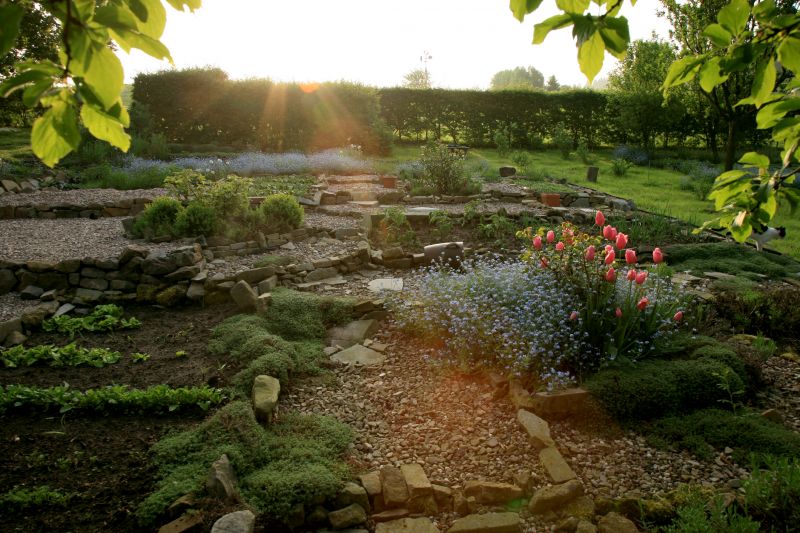
Lower-waste or water-saving choices for Landscapings.
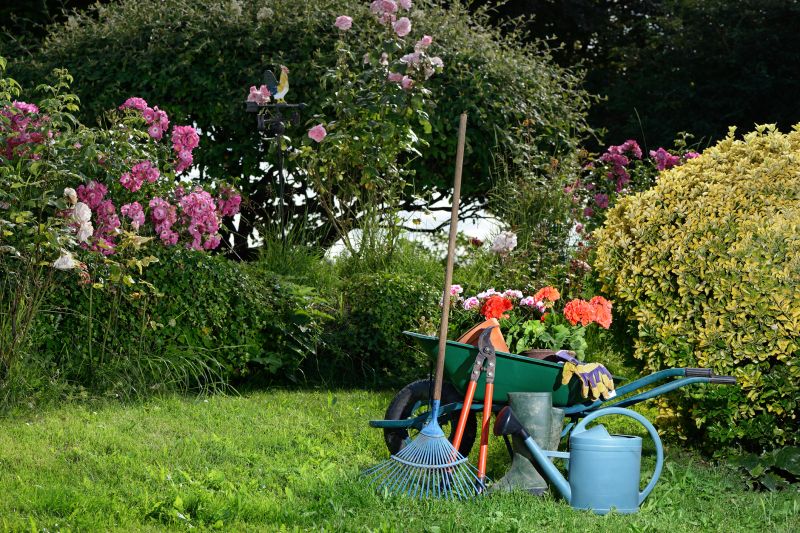
The short, realistic tool list for quality Landscapings.
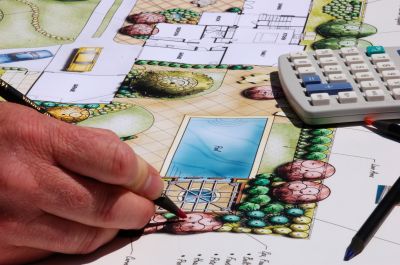
Rough timing from prep to clean-up for Landscapings.
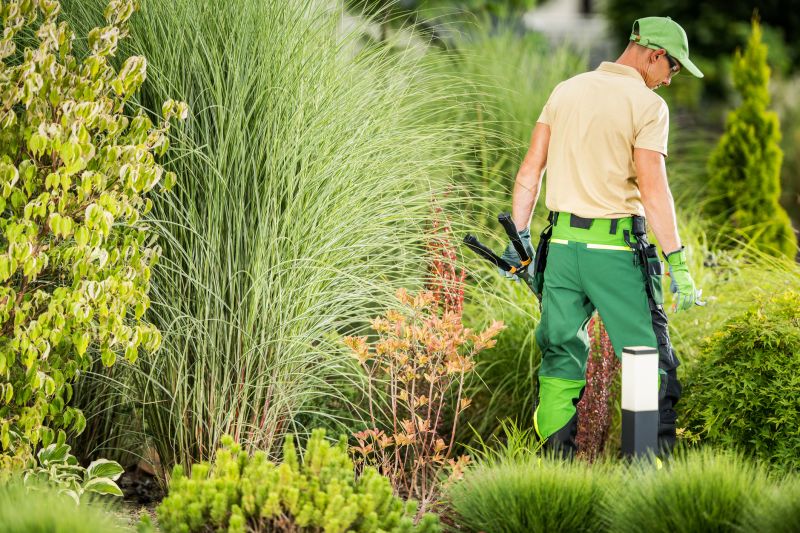
Quick checks and paperwork to keep after Landscapings.
Optimal timing for landscaping depends on specific project goals and regional climate conditions. Early planning and execution during favorable seasons can lead to more successful establishment of plants and features. Consulting with local landscape professionals can ensure projects are scheduled at the most advantageous times for the Traverse City area.
Begin designing and preparing the site in late winter for spring installation.
Schedule planting early in summer to allow plants to establish before peak heat.
Planting in fall promotes root growth and prepares landscapes for winter.
Use winter months for detailed planning and material selection.